

Unlocking Agricultural Potential with Agricultural Nets
In the ever-evolving world of modern agriculture, innovation is key to success. Enter agricultural nets—versatile tools that are transforming farming practices around the globe. This article delves into the definition, core science, functionality, varieties, and the myriad benefits of agricultural nets.
Definition
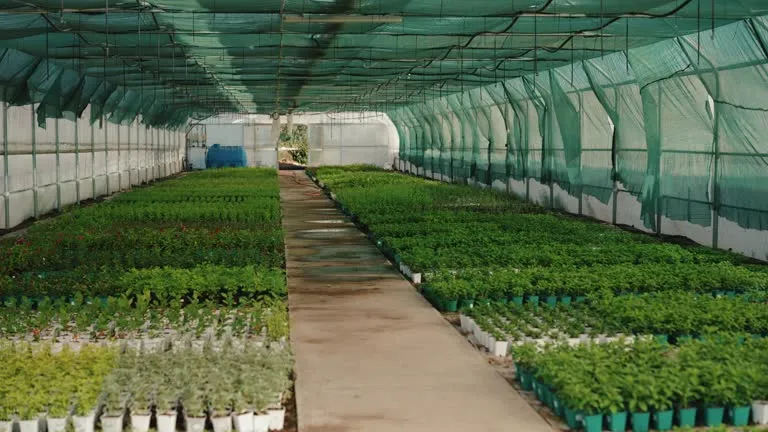
Agricultural nets are specialized fabric materials designed to safeguard crops from environmental elements and pests. These nets come in various forms, catering to different agricultural needs while enhancing productivity and sustainability.
Core Science Behind Agricultural Nets
The science behind agricultural nets is rooted in their ability to create micro-climates. By modifying sunlight exposure, temperature, and humidity, these nets play a crucial role in facilitating optimal growth conditions for a variety of crops. The design of the nets—ranging from woven structures to mesh types—ensures protection against harmful pests while allowing necessary sunlight and moisture to penetrate.
How It Works
Agricultural nets operate on a simple yet effective principle. When draped over crops, they provide a physical barrier that keeps pests at bay and protects plants from severe weather conditions like hail and excessive sun. Additionally, specific color variations in agricultural nets can filter different wavelengths of light, encouraging photosynthesis and enhancing growth rates. This multifunctional approach ensures that crops thrive while minimizing damage.
Types: Different Colors
Agricultural nets come in several colors, each serving distinct purposes:
Green Nets: Ideal for shading, they provide protection from harsh sunlight while promoting photosynthesis.
Black Nets: Excellent for blocking UV rays, they are perfect for rooted vegetables and reducing weed growth.
White Nets: Often used for insect protection, they reflect sunlight and help maintain cooler temperatures.
Red or Blue Nets: These colors can enhance the specific spectrums of light for certain crops, stimulating growth and yield.
The advantages of using agricultural nets are numerous:
Pest Control: By acting as a barrier against insects, farmers can reduce the need for pesticides, resulting in a healthier ecosystem.
Temperature Regulation: The nets help moderate temperatures, protecting crops from heat stress during hot seasons.
Enhanced Yields: With optimized growing conditions, crops can reach their full potential, significantly boosting overall yields.
Weed Management: Certain nets can help suppress weed growth, reducing competition for nutrients and water.
Sustainable Practice: Utilizing agricultural nets aligns with sustainable farming practices, contributing to environmental conservation efforts.
In conclusion, agricultural nets are vital tools in modern agriculture, offering a range of benefits that foster healthier crops and sustainable practices. As farmers increasingly adopt these innovative solutions, the future of agriculture looks brighter than ever. Embrace the power of agricultural nets and watch your crops flourish!